

Wool & Cotton Care for Living History
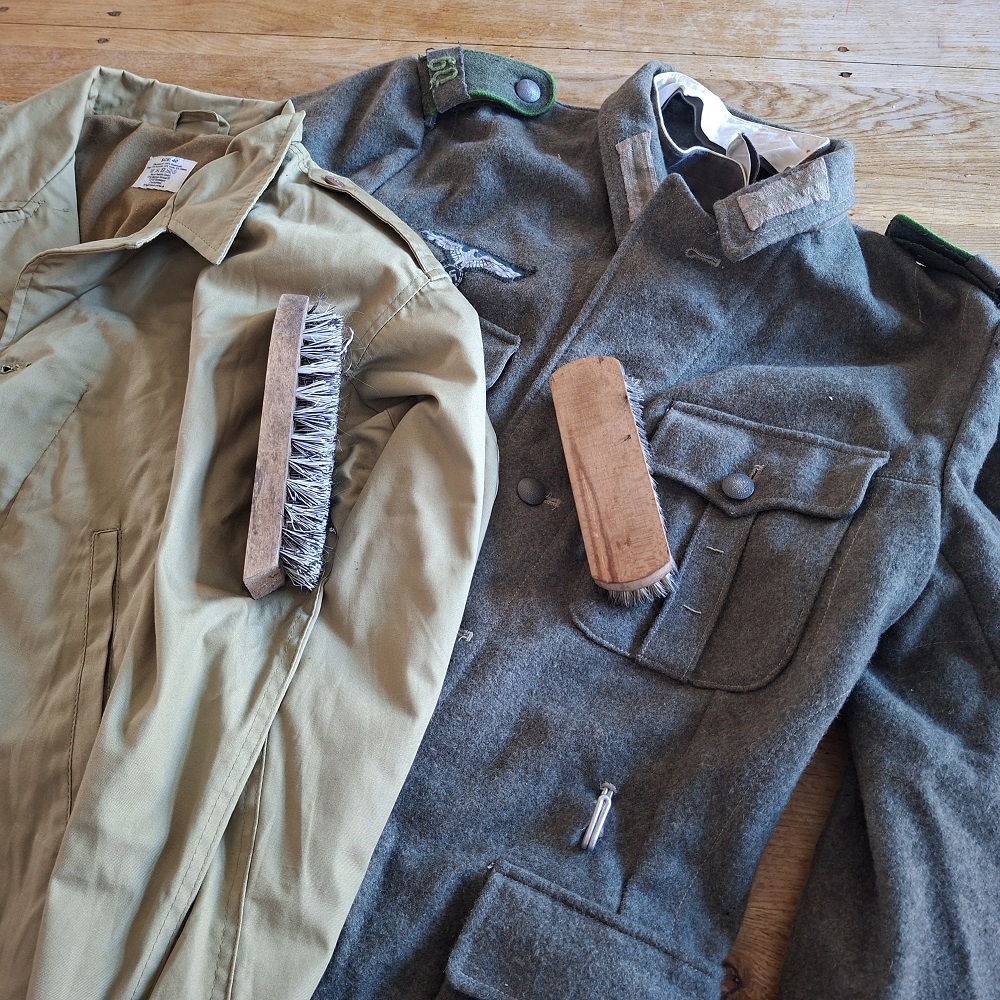
After a weekend in the field, your kit probably looks like it’s been through Normandy itself—mud on the gaiters, sweat stains on the shirt, and that ever-present whiff of campfire smoke.
Authentic WWII uniforms, made mostly from wool and cotton, deserve proper care to keep them looking sharp and lasting through years of reenactments.
Here’s how to clean and maintain your gear without turning your battledress or service coat into felt.
Wool Uniforms: Treat Them Like the Real Deal
From U.S. M-1941 wool trousers to British battledress blouses, WWII uniforms were made of sturdy, tightly woven wool. They’ll take a beating in the field—but not in the washing machine.
1. Air It Out After Every Event
After each event, hang your uniform outside in a shaded, breezy area. Fresh air removes most odors, especially smoke and sweat. Wool’s natural oils repel dirt, so most of the time, airing out is all you need.
💡 Never leave it in direct sun for long periods — wartime dyes fade fast under UV light.
2. Spot Clean, Don’t Soak
If you get mud or food stains, use a damp cloth with a little wool-safe soap. Gently blot — never scrub or twist. For greasy spots, a bit of cornstarch dabbed on and brushed off later can work wonders.
3. Hand Wash Only When Absolutely Necessary
If your wool uniform needs a real wash:
- Use cold water and a tiny amount of wool detergent.
- Submerge gently and let it soak for 10–15 minutes.
- Rinse in cold water without wringing or twisting.
- Roll in a towel to remove excess water, then lay flat to dry.
⚠️ Never use hot water or agitation — you’ll end up with a shrunken, felted mess.
4. Brush Regularly
A good clothing brush keeps wool in shape and removes surface dust. A quick brush after each event prevents buildup and extends the life of the fabric.
5. Store with Care
Once clean and dry, store your uniform on sturdy hangers in a cool, dry space. Add cedar blocks or mothballs (wrapped in cloth) to keep insects away. Avoid plastic garment bags—they trap moisture.
Cotton Garments: Field Shirts, HBTs, and Undershirts
Cotton was the backbone of WWII combat wear—shirts, HBT (herringbone twill) fatigues, and undergarments all fall into this category. These can handle a bit more rough treatment, but still need care if you want them to last.
1. Shake, Brush, and Spot Clean
Before tossing anything in the wash, shake off dirt and brush out any grit. For small stains, a dab of mild soap and cool water does the trick.
2. Wash Cool and Gentle
Machine wash in cold or lukewarm water on a gentle cycle. Use mild detergent, and skip bleach—it will damage period dyes and can weaken older fabric fibers.
💬 If you’re going for that “been on campaign for weeks” look, a bit of natural fading is fine—just avoid harsh chemicals that cause uneven discoloration.
3. Air Dry
Dryers shrink cotton and wear out seams. Hang your shirts, trousers, and HBTs to air dry. This also helps maintain the correct drape and fit.
4. Iron for Parade-Ready Precision
Once dry, press with a warm iron if you want that crisp, regulation look. Avoid ironing directly over patches or insignia—cover them with a thin cloth first.
Smoke, Sweat, and “That Authentic Smell”
Let’s be honest—WWII reenacting comes with odors. But there are ways to tame them without erasing the authenticity.
- Vodka spray: Mix one part cheap vodka to two parts water in a spray bottle. Lightly mist wool uniforms to kill odor-causing bacteria.
- Baking soda overnight: Sprinkle inside collars or linings, then shake or brush off the next day.
- Fresh air: Hang gear outside for a day or two post-event. Mother Nature’s deodorizer works wonders.
Bonus: Cleaning Metalwork & Accessories
- Buttons & Buckles: Wipe with a slightly damp cloth—avoid polishes unless you’re portraying parade or garrison duty.
- Web Gear: Canvas webbing can be scrubbed with mild soap and a soft brush, then air dried. Don’t use bleach—it’ll weaken the fibers and ruin the color.
Final Thoughts
Your reenactment kit represents more than clothing—it’s a tribute to the men and women of WWII. A little extra care between events keeps your uniform looking sharp, authentic, and ready for the next campaign.
Clean smart, store right, and wear it proudly—because even in 2026, keeping your kit “inspection ready” still matters.